Counselor Up!
  • Blog
  • About
  • Speaker
  • Author
    • Book Summary
    • Book Discussion Guide
  • Things I Love
  • TPT Store

Social Emotional Learning: Out of this World Social Skills

5/8/2017

 
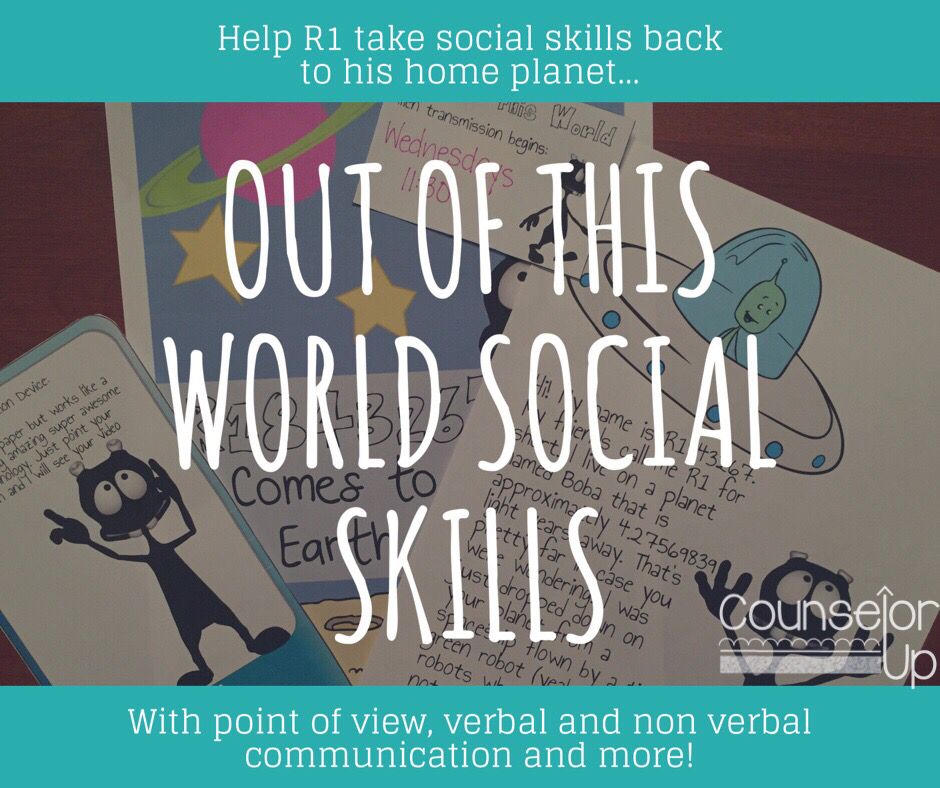
Get out of that social skill instruction rut. This lesson series is also great for special education teachers who have social emotional learning or behavioral goals to teach. I've created an 8 lesson group that uses an alien visiting from space to help kids to think about the importance of social skills and to practice using them.
Get out of that social skill instruction rut. This lesson series is also great for special education teachers who have social emotional learning or behavioral goals to teach. I've created an 8 lesson group that uses an alien visiting from space to help kids to think about the importance of social skills and to practice using them. As always, I'll share all the lesson ideas here and if you'd like to purchase all of the materials ready-made, you can head on over to TPT.

Each group begins with an inclusion activity that supports the skills introduced, a kid friendly definition of the skill, and a closure activity that wraps the group and checks for understanding.
Get out of that social skill instruction rut. This lesson series is also great for special education teachers who have social emotional learning or behavioral goals to teach. I've created an 8 lesson group that uses an alien visiting from space to help kids to think about the importance of social skills and to practice using them.

Skill: Introduction

In the intro lesson to the group, we not only learn about the purpose of the group and read a story introducing students to R1, our friendly space alien, but we also have a chance to practice introduction skills with our new group members.
  • Purpose of the group
  • Read R1's story
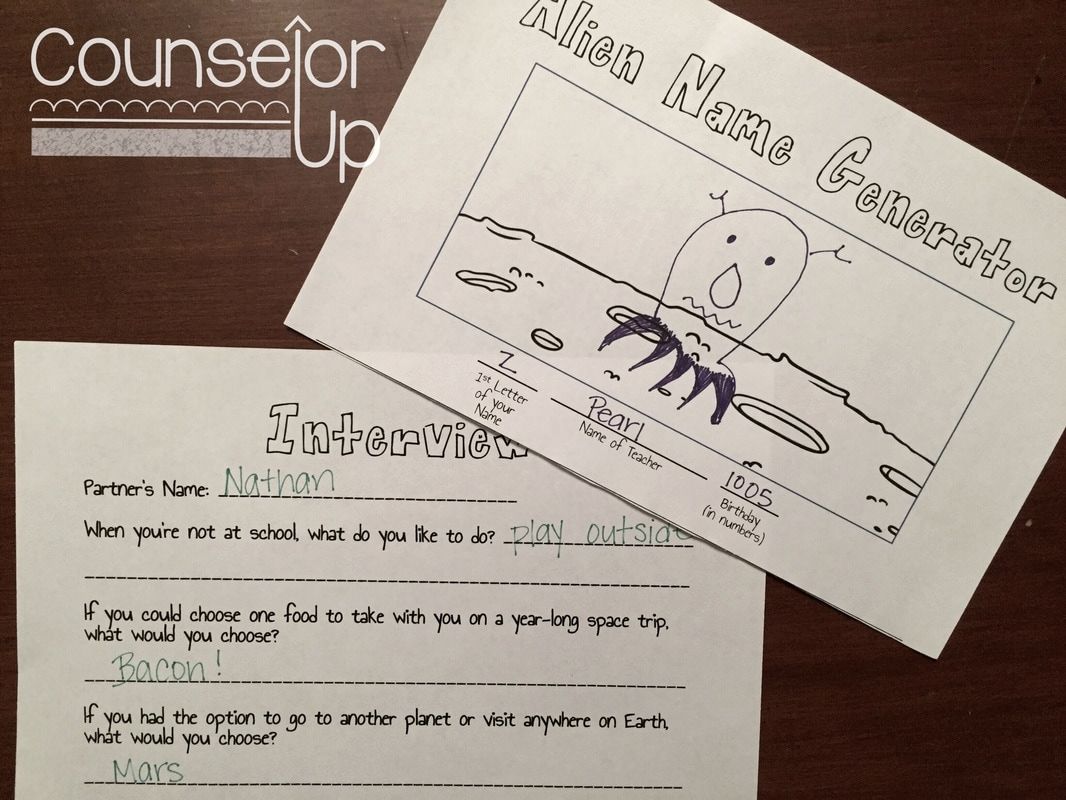
  • Use the Alien Name Generator to find out your Alien Name
  • Interview a partner and introduce them to the group
Get out of that social skill instruction rut. This lesson series is also great for special education teachers who have social emotional learning or behavioral goals to teach. I've created an 8 lesson group that uses an alien visiting from space to help kids to think about the importance of social skills and to practice using them.

Skill: Verbal and Nonverbal Communication

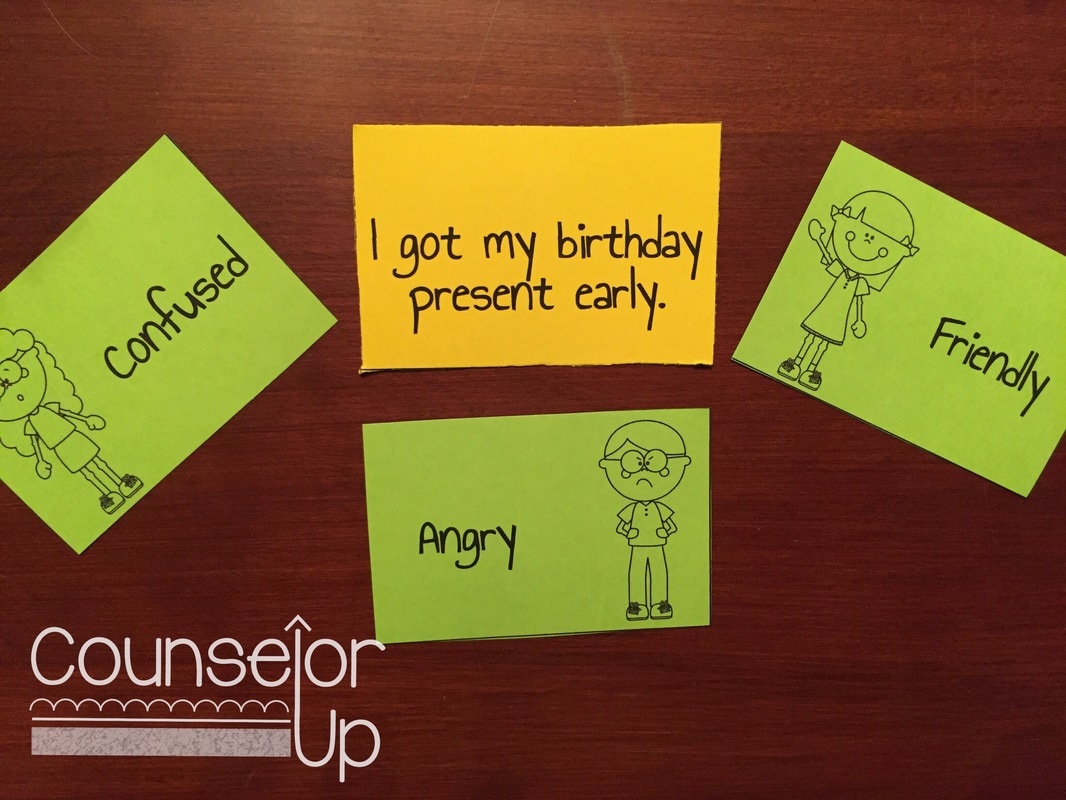
Practice verbal and nonverbal communication with a game of feelings charades. Each student draws a sentence and a feeling. Others have to guess the feeling they are showing with tone of voice, body language, and facial expressions. Once the group chooses the right emotion, take turns thinking about why someone might feel angry, friendly, or another emotion about the sentence read.
Get out of that social skill instruction rut. This lesson series is also great for special education teachers who have social emotional learning or behavioral goals to teach. I've created an 8 lesson group that uses an alien visiting from space to help kids to think about the importance of social skills and to practice using them.

Skill: Listening

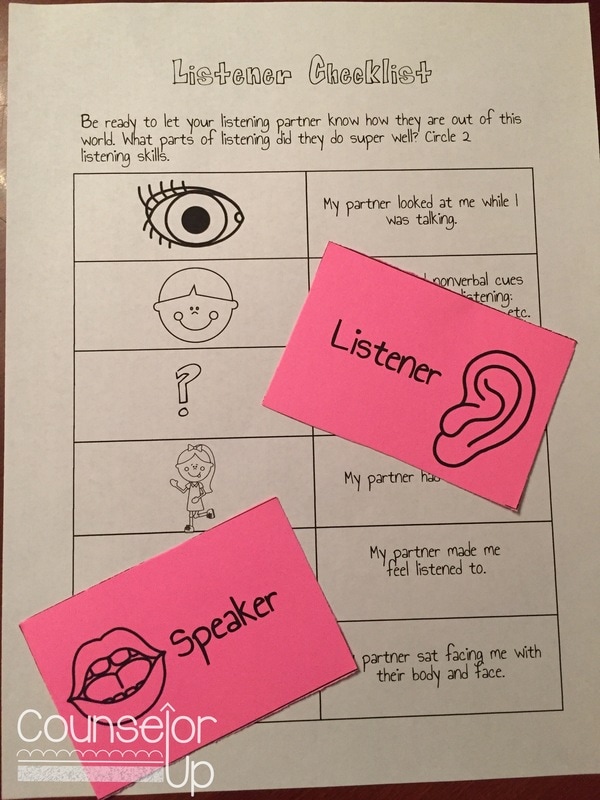
Students take turns listening and speaking about a generic topic. As the listener, they practice each of the listening skills introduced. Students give feedback to their partners about their strengths using a picture rubric and a supportive conversation.
Get out of that social skill instruction rut. This lesson series is also great for special education teachers who have social emotional learning or behavioral goals to teach. I've created an 8 lesson group that uses an alien visiting from space to help kids to think about the importance of social skills and to practice using them.

Skill: Stop and Think of Consequences

In this 2 lesson skill, students first practice the idea of stop and think by playing reverse Simon Says. The game is played just like the childhood game except "Simon Says" means that you *don't* complete the action. 

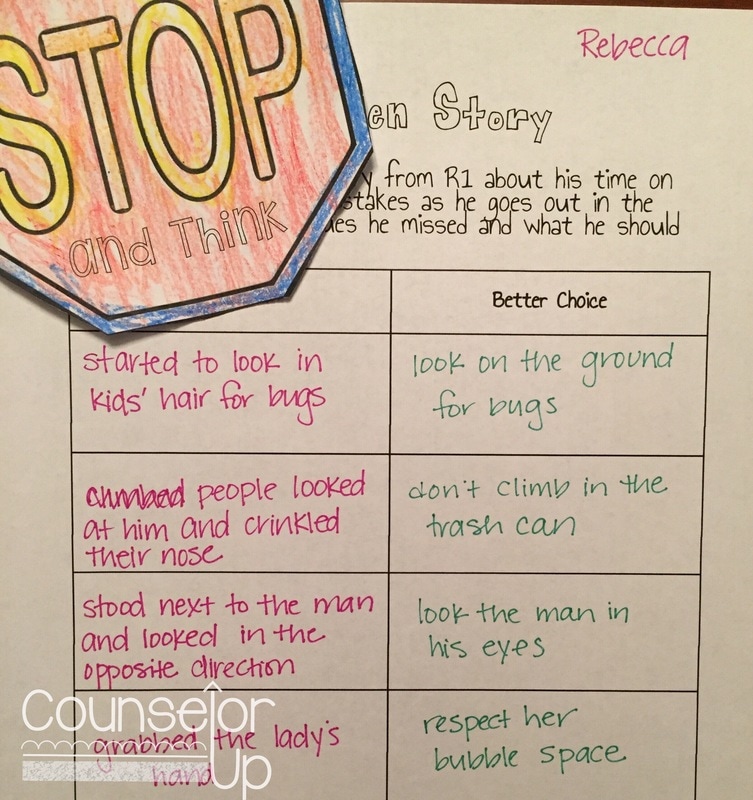
Poor R1, as an alien he misunderstands social cues all the time. In the second lesson, students listen to a journal entry about the day R1 comes to earth. He makes a lot of mistakes! Students write down the social clues he missed and then help him to correct them.

Skill: Cooperation

It takes communication and perseverance to cooperate. To practice, play "all tangled up." Students stand in a circle and grab someone's hand that is not standing next to them. To win, the group must untangle their hands without letting go. The most important part of this activity is the processing. Ask a lot of questions and encourage communication. Help students to think about what worked and didn't work in their process.
Get out of that social skill instruction rut. This lesson series is also great for special education teachers who have social emotional learning or behavioral goals to teach. I've created an 8 lesson group that uses an alien visiting from space to help kids to think about the importance of social skills and to practice using them.

Skill: Compromise

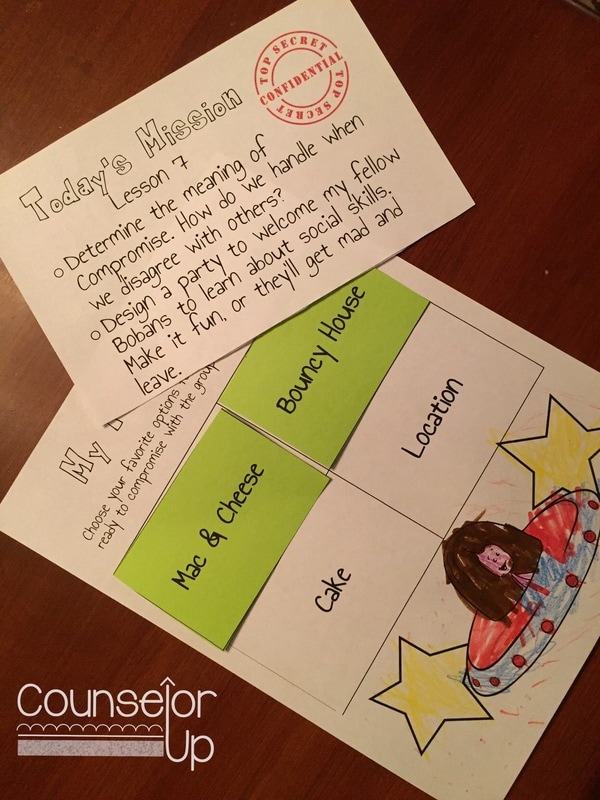
This is a fun one! The group must work together to plan a party for R1's alien friends. Each student chooses a favorite for each of the 4 party planning tasks: food, activity, cake, and location. They must then negotiate and compromise with the others in the group to come to a consensus. This is a challenging lesson but the struggle is part of the learning!

Skill: Summarize Learning

In the last session, the group partners up to create a presentation for R1 about one of the skills that they learned in group. They can choose to present about all of the skills or choose one skill to cover in depth. This is a great way to check for understanding and share some laughs. 

I hope you have fun with your Out of this World Social Skills group! I think it will be a blast (rockets optional)!
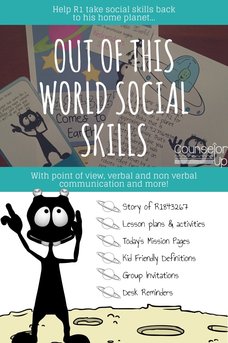
Get out of that social skill instruction rut. This lesson series is also great for special education teachers who have social emotional learning or behavioral goals to teach. I've created an 8 lesson group that uses an alien visiting from space to help kids to think about the importance of social skills and to practice using them.
Picture

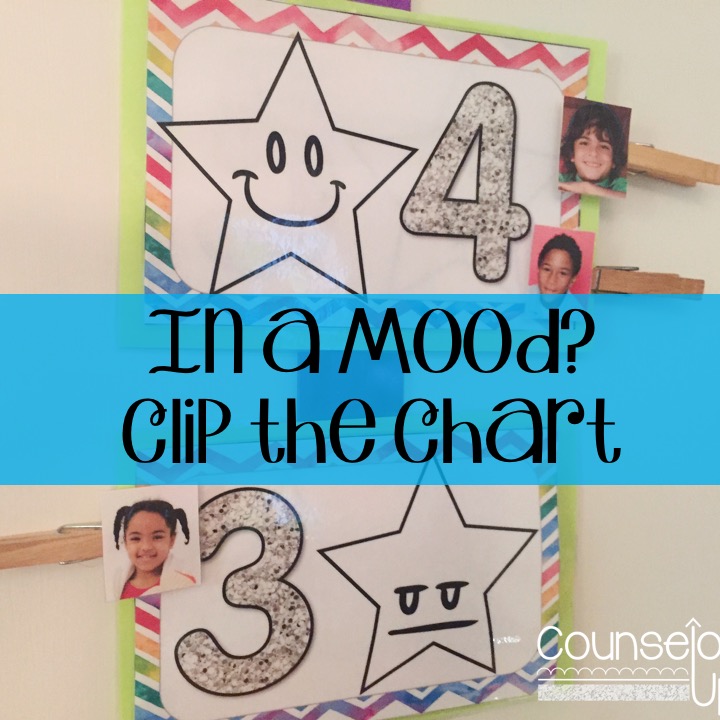
In a Mood? Clip the Chart

9/8/2016

 
Star Mood Clip Chart on counselorup.com. Check in with students to see how they are feeling today.
Recently, I've been exploring the concepts of trauma-informed schools and social emotional learning (linked to great articles on both). The deeper I dig, the more I come back to the concept that our little kiddos at school are real people. It might seem simple, but it is so profound. They are not tiny-adults, they are not antecedents and reinforcers. They are complex with feelings and ideas and hopes and dreams. So what can we do to honor where they are? 

It can start as simple as asking them. I used to work with a teacher who kept a stack of blue and yellow cards next to the homework basket. As students turned in their homework, they would select a blue card if they were feeling down and a yellow card if they were feeling positive. They would place their cards on their desk as they did morning work. Throughout the day, the teacher would make sure that she was able to check in with all of the blue cards to see what was going on with them. She even made time to celebrate with her yellow cards. It was simple and easy to maintain but it sent a strong message to your students that she cared about what was going on with them.
Star Mood Clip Chart on counselorup.com. Check in with students to see how they are feeling today.
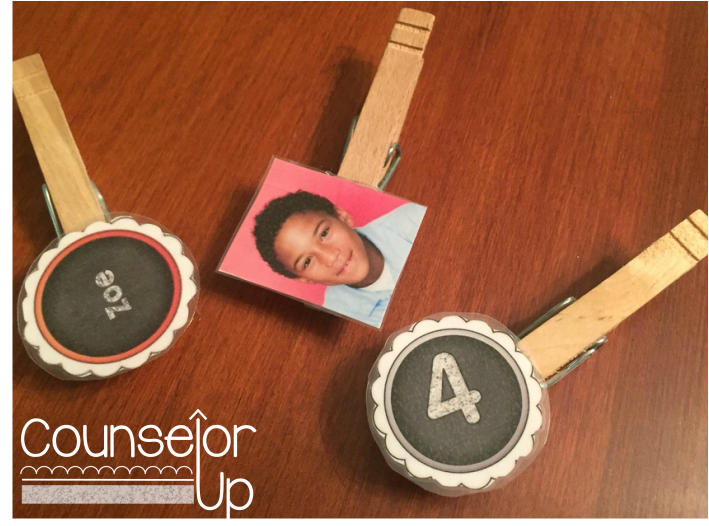
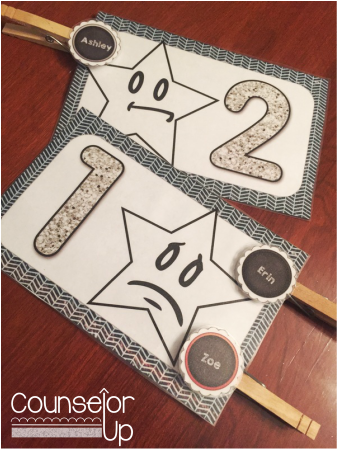
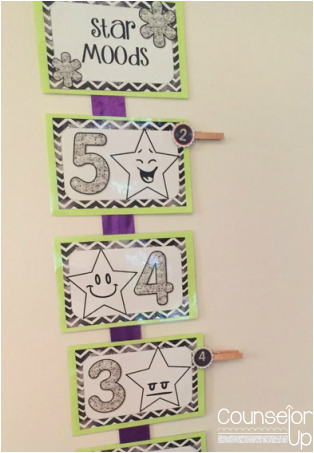
This idea inspired me to create a mood clip chart. This clip chart could be used in both the counselor's office and a classroom. In the counselor's office, the counselor could use number clips to maintain confidentiality. I envision using the chart at the beginning of each group session by student's clipping their mood. In individual counseling sessions, you could assign a student a certain number so that they can move their clip each time they enter your office. In the classroom, a teacher could have students clip their number, name or picture on the chart as they walk in. The clip chart could also be used during morning meetings. 

It's a simple idea, and sometimes those are best. If you're interested, I've created the clip chart for you in my TPT store. It includes 3 different color schemes, number tags, and editable name tags for clips. Just in case you've already posted your amazing MAP It Out wall, I made sure to use a complimentary color scheme. 
​
Star Mood Clip Chart on counselorup.com. Check in with students to see how they are feeling today.
What creative ways do you check in with your students? I'd love to hear your ideas! Comment below or give me a shout out on instagram, facebook, or twitter. I'd love to hear from you :)
Picture

Recess Got You Down? Bring Back the Fun

8/1/2016

 
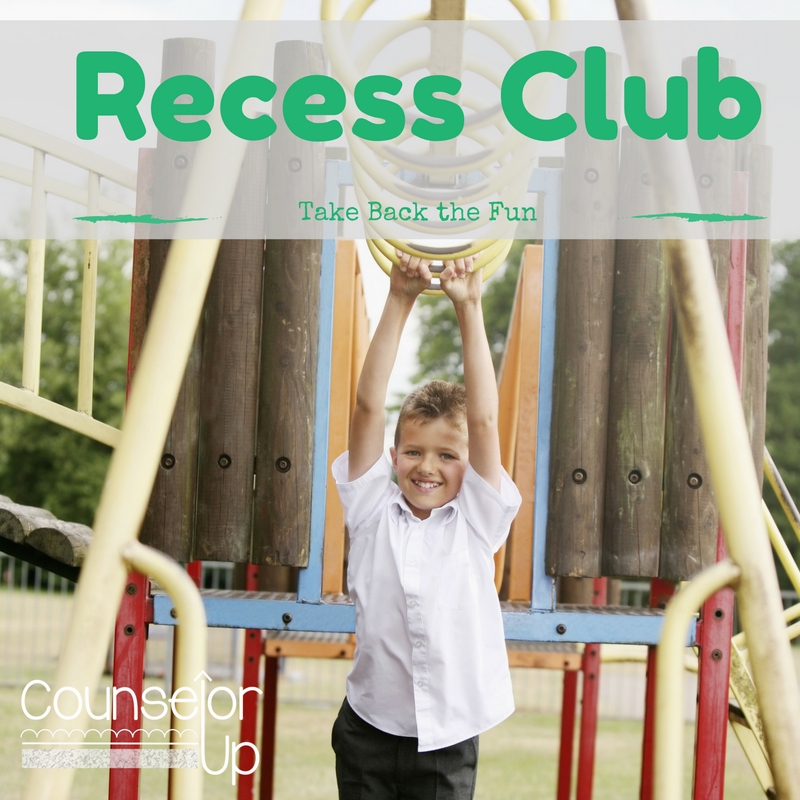
Recess Club for Kids: Playground Social Skills www.counselorup.com
It gets a bad rep but recess is hard. So many skills are needed to navigate the playground successfully. What to do? Join recess club! Recess club is designed for small groups. When I've run this group in the past, I allow about 6-7 kids. I think it would be possible to teach a whole class in shifts with a teacher assistant or parent volunteer in the room while some kids are outside for club. I recommend this group for K-2 but it could be adapted for older kids.

The most important part of recess club is free time on the playground. Choose a time when other students are not outside. In my school, that meant 9:00am. We started the group in September to make sure that we could finish the group before group before the mornings were too cold. 

Using the Equipment

Every school has unique rules for using the playground equipment. In the first lesson, we start off with an active icebreaker and then talk about the appropriate use of equipment. I created skill cards to include each piece of equipment. To make them fun- we play games with the cards. I like to play go fish by printing two sets of cards. To practice, we go outside and walk around the entire playground to talk about appropriate ways to use the equipment. What are the norms for waiting for your term? Are certain pieces of equipment only allowed for older/younger kids? 

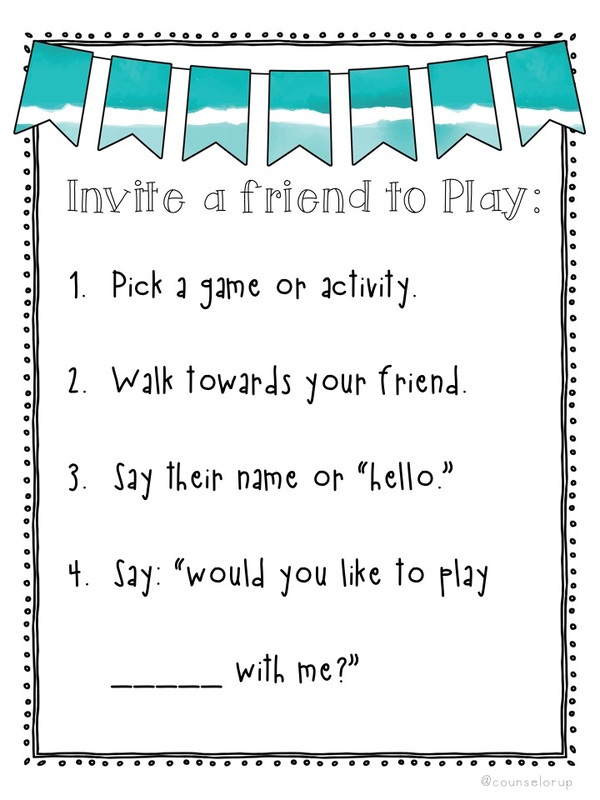
Inviting A Friend to Play

In this lesson, we use the anchor card to learn the appropriate way to ask others to play. Each kid draws a role play card and then practices. I pull one kid aside and ask the to say "no" to a student that I know won't be upset. We then practice what to do when someone says no. For playground time, we go outside for free play. Every 5 minutes, I yell "switch" and students find a new friend to invite to play.
Recess Club for Kids: Playground Social Skills www.counselorup.com

Indoor Recess

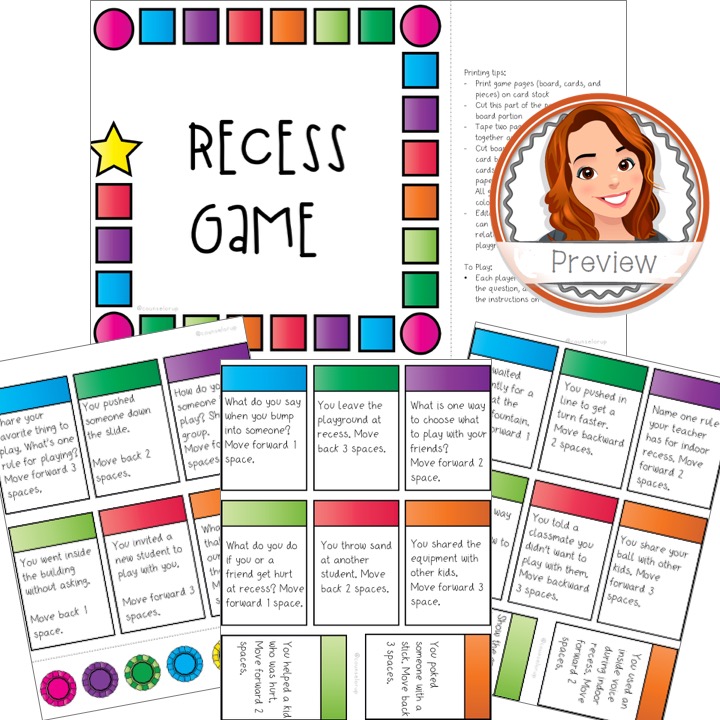
Not as fun as playground time but a part of reality in school, indoor recess requires a whole set of skills. We play a board game to practice the skills of taking turns, waiting patiently, and game play. Any board game will work, but I created a recess game that teaches conflict resolution, procedures, and other recess skills. The best part of this lesson is that it can be done in any order so it's a great back-up plan in case it rains on a club day.
Recess Club for Kids: Playground Social Skills www.counselorup.com

Conflict Resolution

Anytime kids play, there is conflict. That's a good thing! Conflict is natural and an important skill for life. I work with kids to practice creating "Bug and a Wish" sentences. We brainstorm actual playground problems and then work together to write a bug and wish sentence. I try to leave as much time as possible to for free play on the playground so that we can work on actual conflicts that arise.

Review

What does review look like for recess club? Play! Never underestimate how much kids learn in free play. 
Recess Club for Kids: Playground Social Skills www.counselorup.com
Love what you see? You can easily recreate this group yourself, or you can find everything all set for you in my recess club download on TPT.  Take advantage of the 2016 Back to School Sitewide sale to save 28% August 1st and 2nd!
Picture

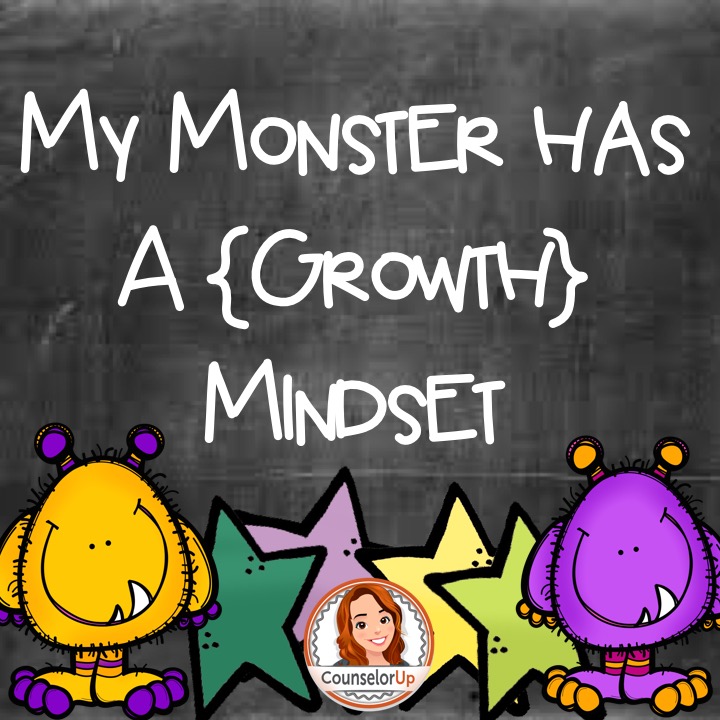
My Monster Has a {Growth} Mindset

3/25/2016

 
Picture
Growth Mindset is all the rage right now. While the original concept has sometimes been lost, the work of Carol Dweck is pretty incredible. You can see this previous post for a brief glimpse into the research behind growth mindset (and a PD you can present to your staff).

I've created a fun booklet for kids to make that explores the major concepts of growth mindset. It only takes 2 sheets of paper and makes an 8 page booklet and is appropriate for Grades 2-5. Let's take a look:​ 

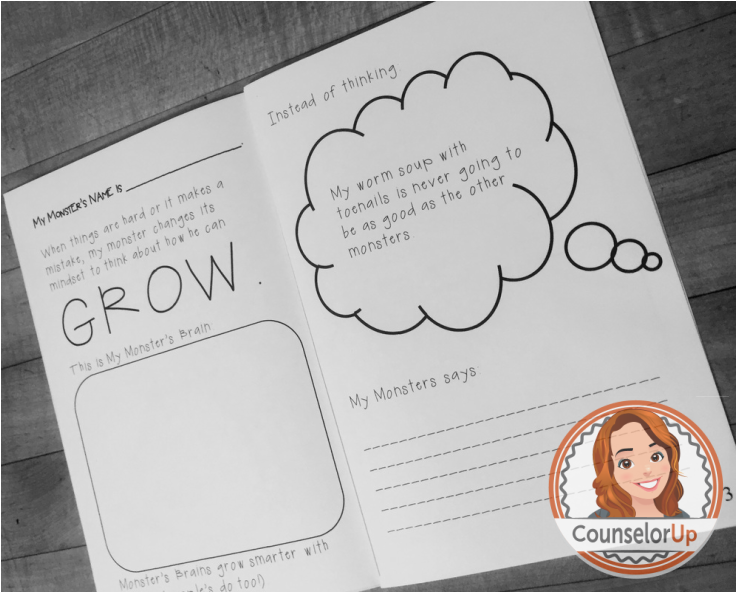
My Monster Has a {Growth} Mindset Booklet for Grades 2-5 www.counselorup.com
On pages 1-2, students explore what it means to have a growth mindset and how to re-write negative thoughts into positive.
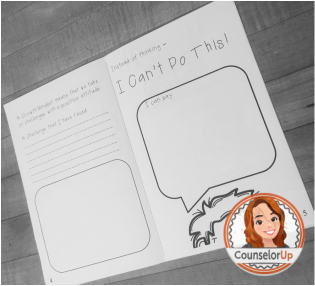
My Monster Has A {Growth} Mindset booklet for grades 2-5. www.counselorup.com
Pages 3-4: Facing Challenges and rewriting negative thoughts for people.
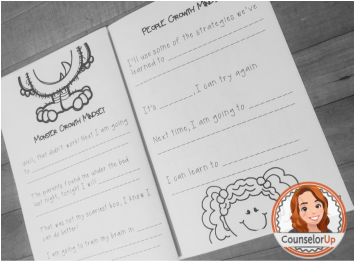
My Monster Has a {Growth} Mindset booklet for grades 2-5. www.counselorup.com
Monster growth mindset & people growth mindset are on pages 5-6. Students can have fun thinking of outrageous things for the monster to try.
My Monster Has a {Growth} Mindset booklet for Grades 2-5. www.counselorup.com
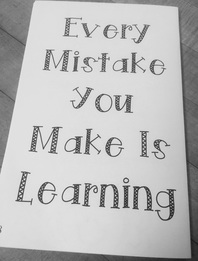
Back is a coloring page with the quote "Every Mistake You Make is Learning."

Simple, easy and fun growth mindset for 2nd-5th graders! Copy and go- the kids can do the folding! You can add to the lesson by reading a book on growth mindset. Here are some of my favorite:

Cooperative Games for Counselors

12/9/2015

 
Cooperative Games for School Counselors www.counselorup.com
I've recently been introduced to the concept of the cooperative game. We are all used to the typical, competitive game. I use many of them in my counseling office - Sorry, Chutes and Ladders, and Uno are on constant rotation. So what's a cooperative game? A cooperative game is one where the players work together for a common purpose. We are big fans in our household and I've recently been thinking about how we can use some of our favorites in a school counseling setting. 

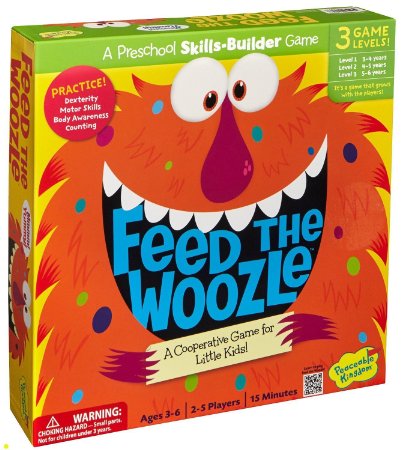
Feed the Woozle

Cooperative Games in School Counseling: Feed the Woozle
The box says ages 1-6, but it should say 1-100. This is a favorite in all generations of my family. The game can be made harder or easier depending on skill and would be a great game to play with special needs students, younger students, or as an ice breaker for older kids. What's a Woozle? The woozle is the monster and players must carry snacks to him on a spoon while dancing, spinning, hopping or some other crazy movement. 
Skills: turn taking, frustration tolerance, gross motor, cooperation

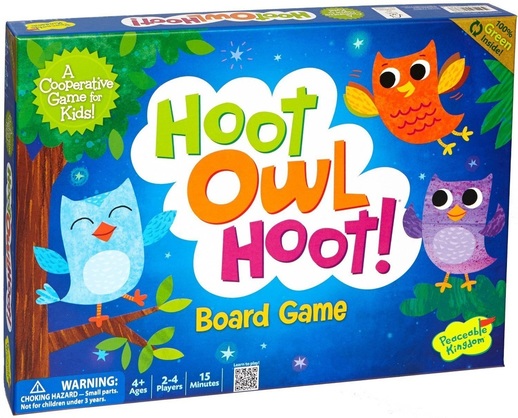
Hoot Owl Hoot

Cooperative Games for School Counselors: Hoot Owl Hoot
In Hoot Owl Hoot, players work together to use strategy to get all of the owlets in the nest before the sun rises. You can use fewer owls for younger kids and more owls for older kids. Some real strategy is needed in order to actually get all the owls to the nest. 
Skills: turn taking, voicing opinion, handling disagreements, leadership, decision making with a group, strategy

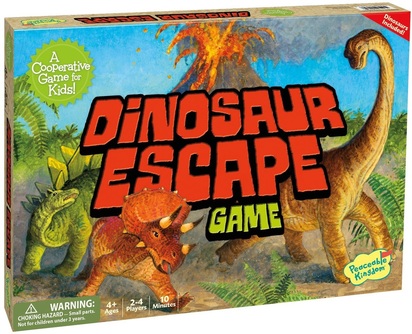
Dinosaur Escape

Cooperative Games for School Counseling: Dinosaur Escape
Great for your dinosaur experts! The goal is to get all the dinosaurs off dinosaur island before the volcano explodes. The cool part? The volcano is a 3D cardboard volcano you build as you play. Mostly a game of chance, there is some simple strategy involved that is helped by everyone helping each other. 
Skills: turn taking, memory, supporting other's play, impulse control 

What games have you used in your office? Have you ever used cooperative games? I am in love. I'm eyeing this one and  this one. This one fits right in with lesson plans you may already have.
<<Previous
Forward>>
    Picture
    Picture
    Picture
    Picture
    Picture
    Picture

    Rebecca Atkins

    Welcome to my blog where I talk about all things school counselor and encourage others to Counselor Up!

     Subscribe in a reader

    This website uses marketing and tracking technologies. Opting out of this will opt you out of all cookies, except for those needed to run the website. Note that some products may not work as well without tracking cookies.

    Opt Out of Cookies
    Picture

    Interrupting Racism: Equity and Social Justice in School Counseling

    Links may be affiliate links. If you link and purchase, I may receive compensation at no additional cost to you. Thanks for your support of Counselor Up.

    Categories

    All
    ASCA National Model
    Behavior
    Counseling Career
    Equity
    Freebies
    Groups
    IMO
    Individual Counseling
    Just A Little Thing
    Lessons
    Office
    Organization
    Parent Book Club
    Parent Communication
    Professional Development
    #tbt
    Technology

    Archives

    July 2021
    June 2021
    August 2020
    June 2020
    May 2020
    November 2019
    October 2019
    September 2019
    August 2019
    June 2019
    May 2019
    April 2019
    March 2019
    February 2019
    January 2019
    December 2018
    November 2018
    October 2018
    September 2018
    August 2018
    June 2018
    April 2018
    March 2018
    January 2018
    December 2017
    November 2017
    October 2017
    September 2017
    August 2017
    July 2017
    June 2017
    May 2017
    April 2017
    March 2017
    February 2017
    January 2017
    December 2016
    November 2016
    October 2016
    September 2016
    August 2016
    July 2016
    June 2016
    May 2016
    April 2016
    March 2016
    February 2016
    January 2016
    December 2015
    November 2015
    October 2015
    September 2015
    August 2015
    July 2015
    June 2015
    May 2015
    April 2015
    March 2015
    February 2015
    January 2015
    December 2014
    November 2014
    October 2014
    September 2014
    August 2014
    July 2014
    June 2014

Powered by Create your own unique website with customizable templates.