Counselor Up!
  • Blog
  • About
  • Speaker
  • Author
    • Book Summary
    • Book Discussion Guide
  • Things I Love
  • TPT Store

13 Reasons Why School Counselors Should Be Talking About This Show

4/24/2017

 
Unless you have been completely off social media (the modern day living under a rock), you have probably heard about the show “Thirteen Reasons Why.” The show depicts a boy (Clay) listening to a series of tapes made by his love interest (Hannah) before she dies by suicide. Because I spend more time in the car than on the couch (sadly), I listened to the audiobook and have watched a few of the episodes on Netflix. For the purposes of this post, I am not going to delve into if this show should have been made or the book written. It’s here, so what do we do about it?

  1. Book review for adults: This is one of those YA books that could have been written for adults. There is a nuance to the story that I think adults will appreciate. It was interesting to see the story told from Hannah and Clay’s perspectives. As an adult, you can see the many errors in thinking that are so much a part of adolescence.
  2. Book review for teenagers: Typically, I gear most of my work towards the elementary school age. I don’t think this show or book would ever be appropriate for any young child. In addition to suicide, there are drugs, drinking, sexual acts, and rape depicted. I’m on the fence about whether this book and show is appropriate for teens. If a teen you know is watching or reading, I recommend that you watch or read along with them so that you can help them to process what they are watching.
  3. Cyberbullying: One of the main reasons that Hannah is struggling at her new school is cyberbullying. Innocuous interactions turn into rumors and scandal without any substance behind them. In one of the opening scenes of the show, you see Hannah’s love interest show his friends a slightly compromising picture of her (though taken in an innocent way). They immediately grab his phone and text the photo and a lie about it to the whole school despite his protests. This would be a cool clip to show in a lesson about cyberbullying and appropriate internet use.
  4. Peer Pressure: In this story, you can see both active peer pressure and peer pressure that takes place because of a lack of action. In one scene, a boy is inappropriately touching a girl despite her protests and the other student in the hot tub gets out and leaves the girl alone.
  5. Rape Culture: As an adult reading this book, I noticed the pervasiveness of rape culture. Hannah is often the recipient of touches, glances, and words that are unwanted. While she protests those actions, no one else does and I worry that the message gets lost in the messenger.

  6. Suicide: Guess what? Suicide is not the greatest revenge to take against people who have wronged you. Even if you make 13 tapes about how awful they were. All the people who wronged Hannah listened to the tapes and they seem to take them to heart. This aspect of the book and show got it wrong.

  7. Doing the Right Thing: Supportive adults watching with their teen have many opportunities to point out the right thing that could have been done. There are many points where a character makes a choice that leads the story down a negative path.
  8. Empathy: I had a lot of empathy for Clay while reading and watching. As an adult, I had a lot of empathy for many of the other (outwardly meaner) characters. I remember making similar dumb mistakes when I was a teenager. Teens will likely see the characters in a more good guy/bad guy perspective.
  9. Hannah: While reading the book, I was kind of annoyed by Hannah. This is probably not how she’s “supposed” to come off but it’s the truth. She seemed, well, needy. In the show, she comes off as much cooler before her downward spiral. I’m torn on whether this is a good thing. Teenage me would have wanted to be Hannah and you see how that turns out.
  10. Clay: It’s hard for me to talk about Clay without giving the plot away. Let me just say that he is not a nuanced character. He’s a one-sided coin for sure. As an adult reading, I worry about the psychological pressure these tapes have on him.
  11. The Counselor: Hannah tells you early on that if the previous “guidance” (blech) counselor had still been there that the story might have turned out differently. I think the counselor plays a larger role in the show that I haven’t finished yet but in the book, I feel for the guy. Hannah comes into his office (by the way, he also teaches English so he’s a part time school counselor) when he’s having a bad day. He doesn’t handle it well. But, I ask you, does your blood run cold knowing that you’ve had off days too? Mine sure did.
  12. The Ending: No spoilers! But it’s redeeming. But not for Hannah.
  13. Author’s Notes: If you read the book, read the author’s interview at the end about what he is going for here. If you watch the show, watch this clip on the role of suicide and mental health in the creation of the show.
Bottom Line:  Read/watch-worthy for adults and mature teens. Not appropriate for younger kids (middle schoolers I’m talking to you). If you are an adult in a child’s life, make sure to talk openly about the topics that are brought up in the show. Let teens ask questions and talk with them in an open discussion. These are hard topics and it’s better to talk about them than to hide from them. For more information see Considerations for Educators, Talking Points, and 10 Things Parents Should Know.
Unless you have been completely off social media (the modern day living under a rock), you have probably heard about the show “Thirteen Reasons Why.” The show depicts a boy (Clay) listening to a series of tapes made by his love interest (Hannah) before she dies by suicide. Because I spend more time in the car than on the couch (sadly), I listened to the audiobook and have watched a few of the episodes on Netflix. For the purposes of this post, I am not going to delve into if this show should have been made or the book written. It’s here, so what do we do about it?
Picture

If I Had a Hundred Dollars

7/16/2015

 
If I had $100- setting up your counseling office. www.counselorup.com
... I would buy me a- OK I'll stop singing now.  I am always being asked what counseling materials I cannot live without. I thought it'd be fun to do a series listing what I would buy with different budget amounts. I am assuming that you are starting with an office with your basic materials including chairs, tables, art supplies, and all the other things you find readily in schools. Disclaimer- this post includes affiliate links.

So, without further ado, If I had $100, I would buy:
Picture

Small Ooze Tube - $8

I leave this on my table at all times. It's a great conversation starter, fiddle toy, and even works as a timer. The kids are absolutely obsessed!

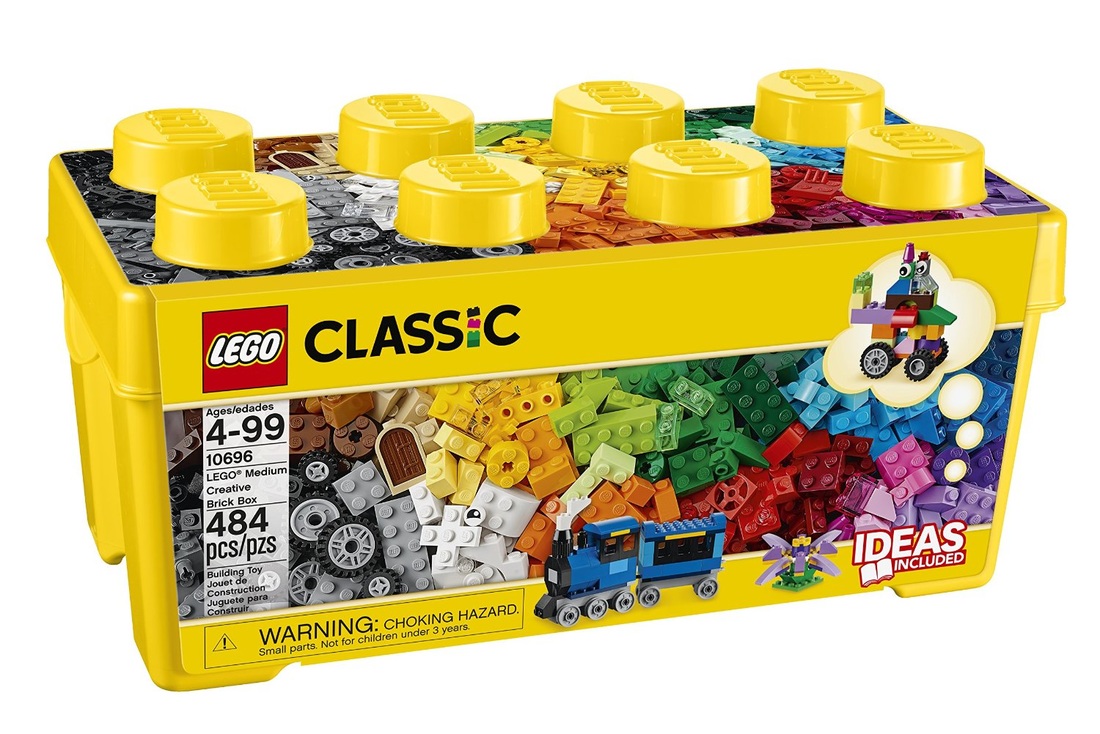
Legos- $30

I use legos for rewards, during individual counseling and as a social skills club. Definitely the number one used toy in my office. If I had nothing else, the kids would still be happy.


Picture
Picture

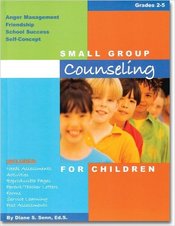
Diane Senn: Group Counseling - $28

Hands down the best group counseling book out there. Mine is completely falling apart it gets used so much!


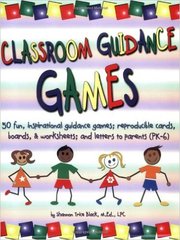
Classroom Guidance Games - $25

Games are so much fun, and these are no exception. You could plan a whole year's worth of lessons using these games. 

Picture
Picture

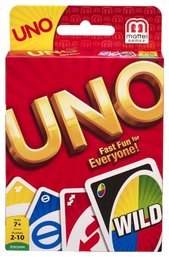
Uno- $5

This is great for groups, lunch bunches, and individual counseling. Even kindergarteners can play uno with support. They love it too!


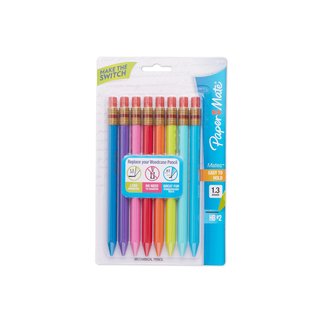
Mechanical Pencils- $3

I like having fun pencils on my group table. The kids are excited to use them and it makes group work more exciting. 

Picture
Wow! A hundred bucks goes fast. What would you buy if you had a hundred dollars?

New on Teachers Pay Teachers

Picture
Picture
Picture

IMO: Group Facebook Etiquette

4/24/2015

 
Picture
I love social media. Facebook, particularly, helps me keep in touch with not just friends and colleagues but with other communities. I belong to mom groups, neighborhood groups, activity groups, and school counselor groups. I really love being able to meet new people and share ideas with someone I may never have met otherwise. 

Of course, there's always a downside to having so many people be a part of a group. Some of my pet peeves: asking questions that have already been asked (Can anyone recommend a pediatrician?), snarkiness and rudeness, and most of all 19,000 "Following" comments. So here are my top 5 Facebook etiquette tips and how to navigate them.

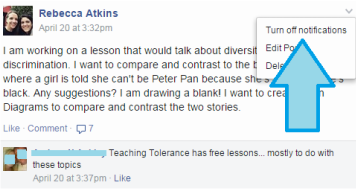
1. Unfollow notifications if needed

Picture


Too many comments on a post you don't need to keep up with? Topic diverging from the original post? You can unfollow notifications. Just click on the small arrow in the right hand corner and select "turn off notifications." This also works in the mobile Facebook App.


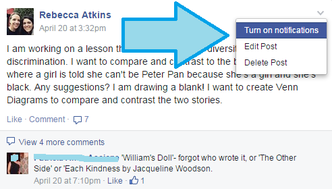
2. Don't write "following" - turn on notifications

Picture
Please, for the love of all things good, please don't write "following" or put in those little eyeballs. This drives me bonkers. If you would like to keep up with a post but don't have anything to add to the conversation, turn on notifications. You'll be notified each time someone adds a comment without clogging up the conversation. This also works in the mobile Facebook App.


3. Search before asking

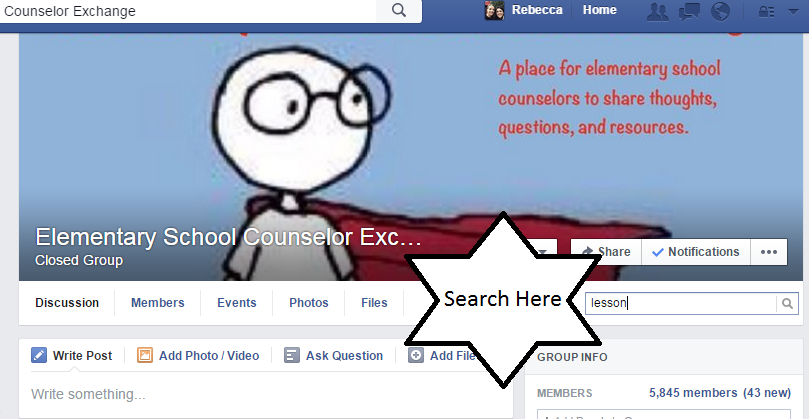
Especially in large groups, searching for your question is key to Group Facebook Etiquette. It may be that someone has already asked your question and received lots of helpful replies. Save yourself (and everyone else) the trouble, and search before asking! Unfortunately, you can't search on mobile (come on Facebook!).
Picture

4. Tag when replying

Picture
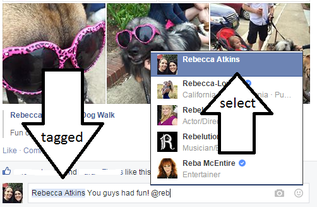
When you are replying to a thread that has a bunch of comments, people may stop checking back when notified of a new comment. If you have a follow up question or a compliment for someone who has posted above, make sure to tag them so they know you mentioned them. Once you have tagged them, their name will appear highlighted in blue. Most of the time, as you type someone's name, a menu will appear. Sometimes this doesn't happen (especially on mobile) - you can use an @ symbol to get Facebook to acknowledge the tag.


5. Be a community member

Be polite. Don't be rude. Remember whatever you put on the internet stays forever and can be shared multiple times without your consent or knowledge! 

What are your Facebook group pet peeves and etiquette tips? Any I missed?

Ugh. Guidance Counselor

3/17/2015

 
Picture
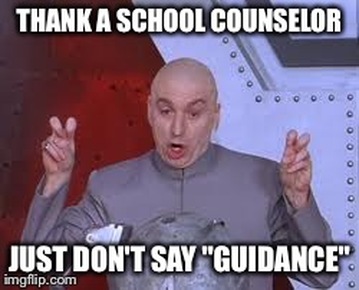
Driving home from work yesterday, I heard this story on NPR. While I agree with the general premise that low income, high achieving students need more support in applying for prestigious colleges, I was completely annoyed at their use of "guidance counselor" and the statement that counselors "may not have gone to selective colleges themselves." Really, NPR? This perpetuates that sentiment that educators are not highly qualified members of society who may have gone to Duke, Harvard, Brown, or some other "selective college."

So I wrote them an email. I may even send a copy to the guest speaker who spoke so disdainfully of "guidance counselors." I tried to keep it brief, here's what I said:


I am writing to you about your piece on low income, high achieving students. Your guest spoke of the role of guidance counselors in choosing colleges. To begin, those of us in the profession prefer to be called "School Counselors." Gone are the days when the only thing a school counselor does is "guide" students through school. We implement comprehensive counseling programs designed to support all students. The American School Counselor Association recommends a 250/1 counselor to student ratio. Some states have in excess of 700 students per counselor. In fact, one in five high schools don't have any counselors at all. Unfortunately, many of the districts with a high number of students living in poverty also have the least money with which to hire counselors.

In response to your guest’s statement that counselors may not have gone to selective schools themselves, school counselors are required to have an undergraduate and masters degree. This statement infers that school counseling is not a prestigious career choice when even Harvard has a school counseling program. Instead of blaming the "guidance" counselor, or criticizing their college choice, perhaps we could talk about how to change the system of support to allow school counselors to do their jobs to support all students.


This is the first time I have used this space to rant, I hope you understand. What's irking you right now? 

Just a Little Thing... Awesome Quote

2/20/2015

 
Picture
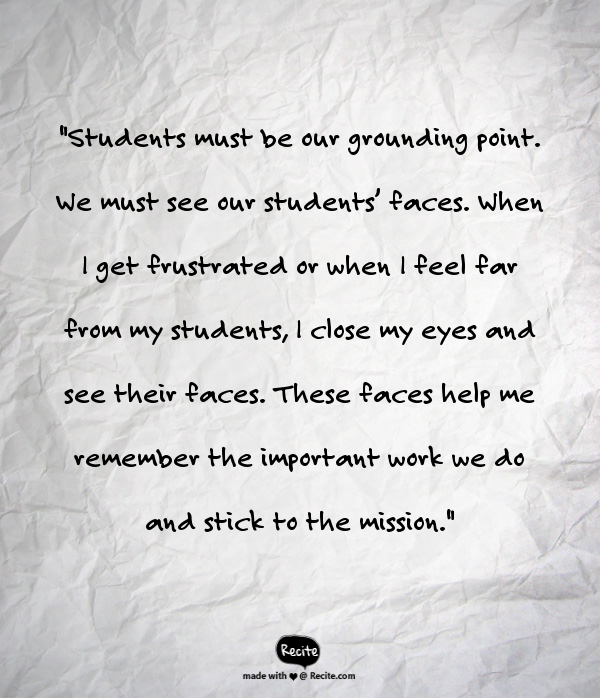
Isn't this an awesome quote? I read it in the DOE Teacher's Edition Newsletter.  I decided to have it printed and hang it up in my cubicle to remind me that I am still helping kids, just in a different way now. By the way, more on cubicle decorating soon! I am waiting for this crazy cold to pass before I drag more stuff to the office.

Pssst.... how did I make the adorable picture? Here at recitethis. Love it!
Forward>>
    Picture
    Picture
    Picture
    Picture
    Picture
    Picture

    Rebecca Atkins

    Welcome to my blog where I talk about all things school counselor and encourage others to Counselor Up!

     Subscribe in a reader

    This website uses marketing and tracking technologies. Opting out of this will opt you out of all cookies, except for those needed to run the website. Note that some products may not work as well without tracking cookies.

    Opt Out of Cookies
    Picture

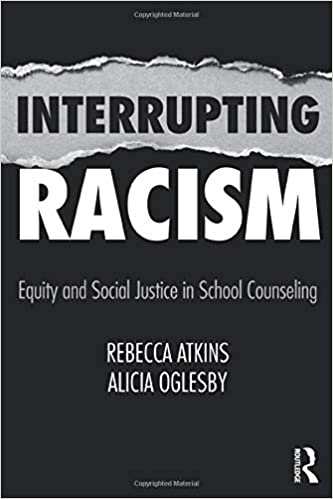
    Interrupting Racism: Equity and Social Justice in School Counseling

    Links may be affiliate links. If you link and purchase, I may receive compensation at no additional cost to you. Thanks for your support of Counselor Up.

    Categories

    All
    ASCA National Model
    Behavior
    Counseling Career
    Equity
    Freebies
    Groups
    IMO
    Individual Counseling
    Just A Little Thing
    Lessons
    Office
    Organization
    Parent Book Club
    Parent Communication
    Professional Development
    #tbt
    Technology

    Archives

    July 2021
    June 2021
    August 2020
    June 2020
    May 2020
    November 2019
    October 2019
    September 2019
    August 2019
    June 2019
    May 2019
    April 2019
    March 2019
    February 2019
    January 2019
    December 2018
    November 2018
    October 2018
    September 2018
    August 2018
    June 2018
    April 2018
    March 2018
    January 2018
    December 2017
    November 2017
    October 2017
    September 2017
    August 2017
    July 2017
    June 2017
    May 2017
    April 2017
    March 2017
    February 2017
    January 2017
    December 2016
    November 2016
    October 2016
    September 2016
    August 2016
    July 2016
    June 2016
    May 2016
    April 2016
    March 2016
    February 2016
    January 2016
    December 2015
    November 2015
    October 2015
    September 2015
    August 2015
    July 2015
    June 2015
    May 2015
    April 2015
    March 2015
    February 2015
    January 2015
    December 2014
    November 2014
    October 2014
    September 2014
    August 2014
    July 2014
    June 2014